In the coastal regions of Gujarat, access to clean water and sanitation defines more than just health — it defines dignity, opportunity, and the promise of a better future. Salinity, groundwater contamination, and poor sanitation infrastructure have long impacted communities, particularly women and children. Recognizing that safe water and hygiene are non-negotiable rights, CSPC’s WaSH program strives to make every drop of water and every household count toward a healthier, more equitable future.
The WaSH thematic at CSPC integrates behavioural change, infrastructure improvement, and institutional capacity building.
We work hand-in-hand with communities, schools, and local governance systems to ensure universal access to safe water, functional sanitation, and hygiene awareness.
Our approach is built on three pillars:
Ensuring safe, potable water for all is central to the WaSH agenda. Through a combination of technical interventions and capacity-building, CSPC has enabled communities to manage their own water systems sustainably.
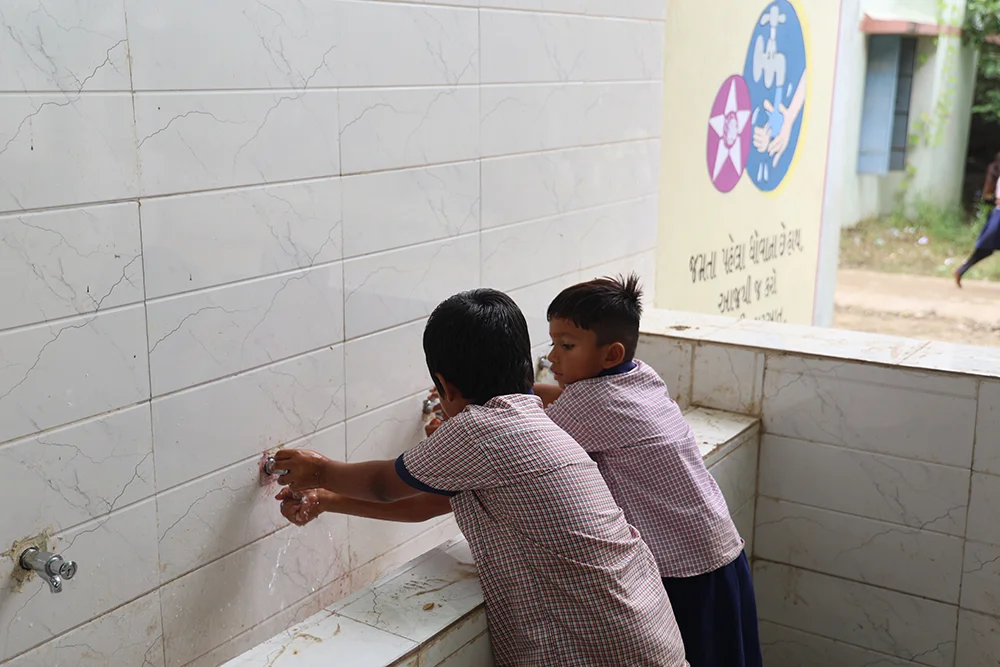
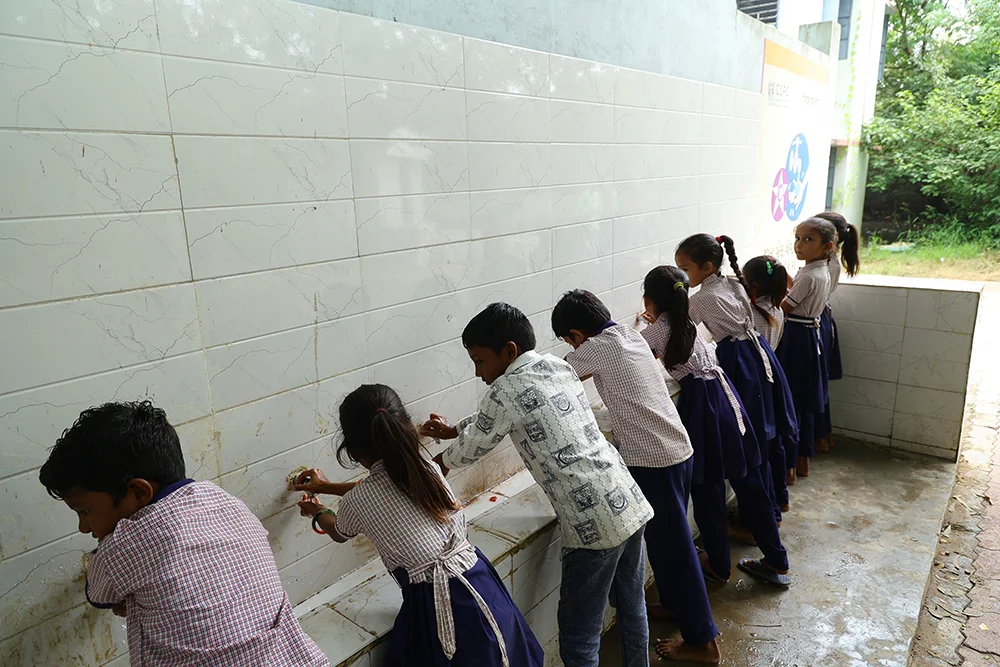
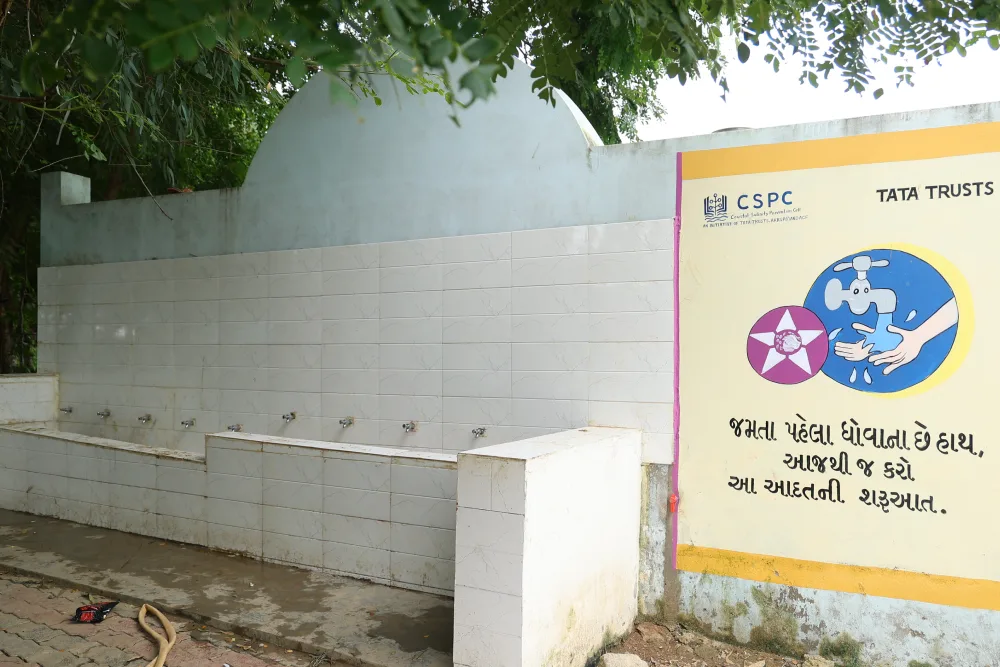
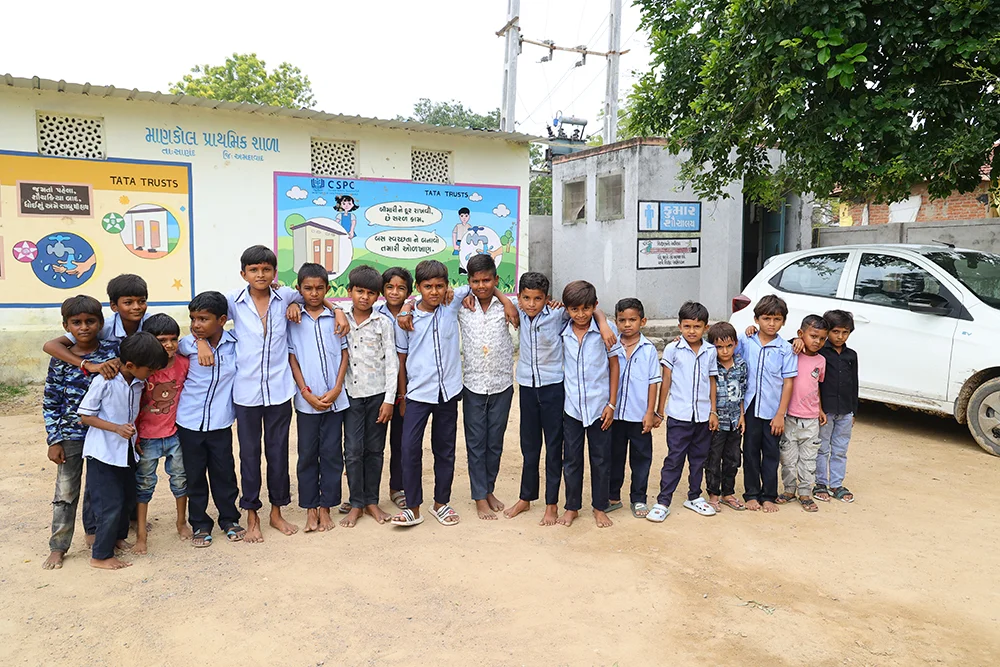
Schools are where lasting hygiene habits begin. CSPC’s interventions in school WaSH go beyond infrastructure, they build a culture of cleanliness and confidence.
Behavioural change is at the heart of sustainable WaSH practices. CSPC promotes ownership through education, dialogue, and participatory activities that bring communities together.
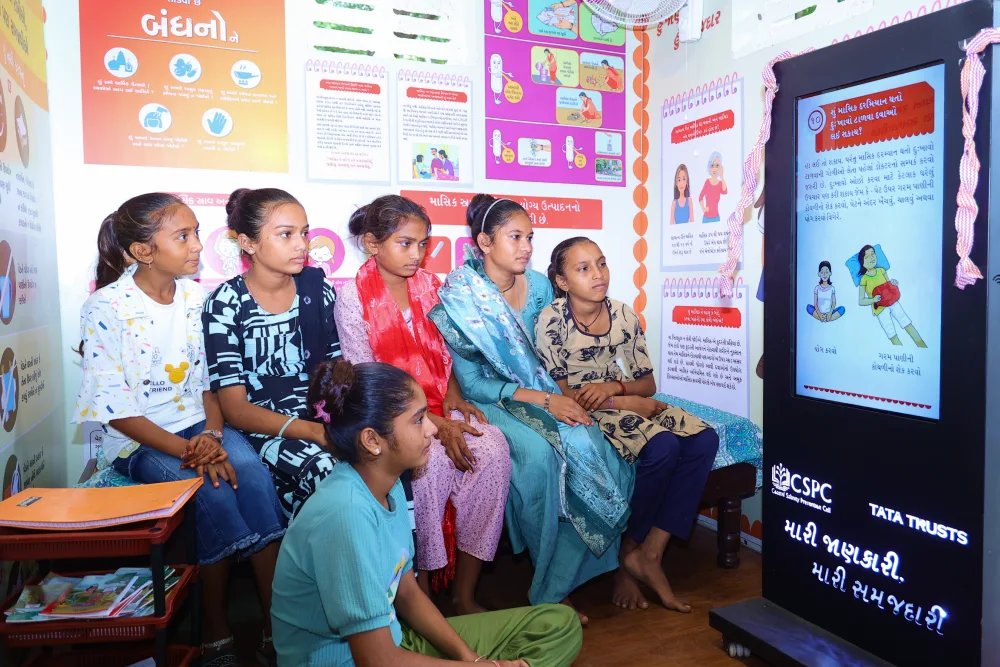
CSPC integrates digital and innovative tools to make WaSH information more accessible and engaging.
Our education interventions contribute to multiple SDGs:
In the small village of Khari, Gujarat, a water crisis was unfolding. Inadequate supply, poor quality, & widespread wastage plagued the community. Children fell ill during monsoons, & women spent hours fetching questionable water. The failing infrastructure & lack of community know-how exacerbated the problem.
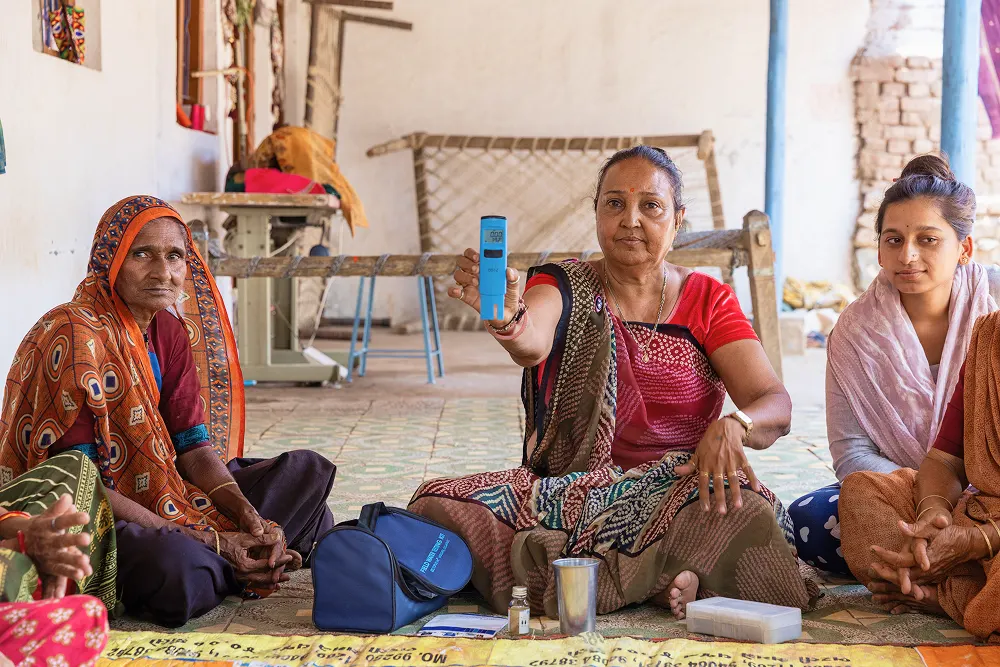
Recognizing the severity, WASMO & CSPC intervened with a dual strategy: improve infrastructure & empower the community through an extensive SBCC campaign. They identified potential leaders, finding a champion in Mehta Gitaben Punabhai, a 58-year-old housekeeper passionate about improving the village’s water situation