Water Resource Management (WRM)

Reviving Water, Restoring Hope

In Gujarat’s coastal belt, water is more than a resource — it’s a lifeline that determines health, food, and livelihoods. Yet, over the years, unchecked salinity ingress has seeped deep into groundwater and soil, threatening agriculture, livestock, and the very sustainability of coastal communities.

At Coastal Salinity Prevention Cell (CSPC), our water resource management (WRM) initiatives aim to restore balance — between land and water, people and ecosystems. By combining traditional wisdom with modern science, we work to secure water availability, recharge aquifers, and build local resilience against the impacts of salinity.

Our Approach

Our approach to water management is community-centred and science-backed. Every intervention is designed to strengthen the natural water cycle and empower communities to become stewards of their own resources.

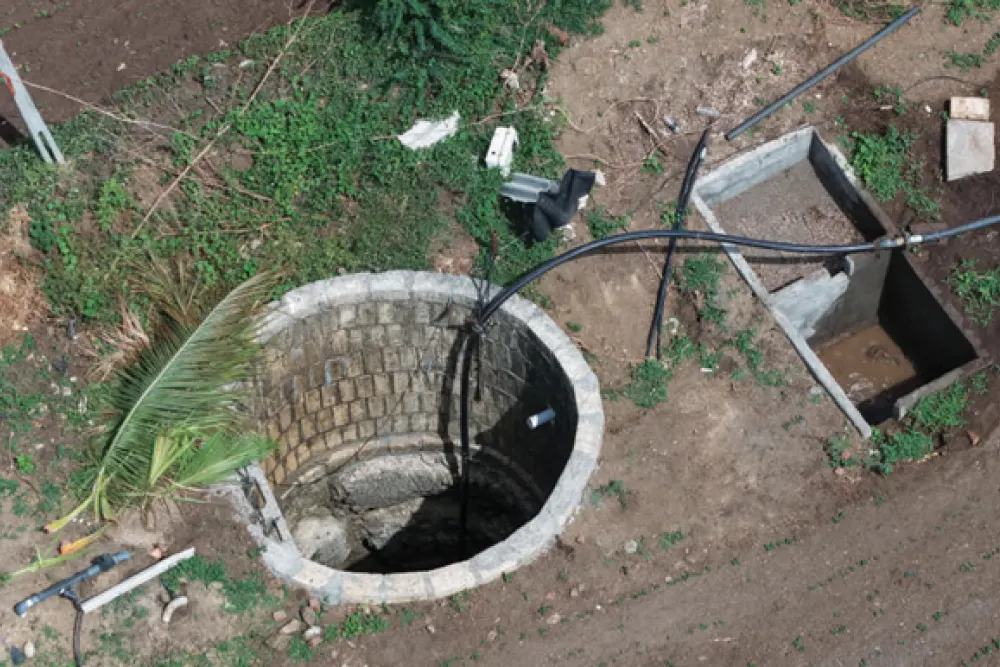
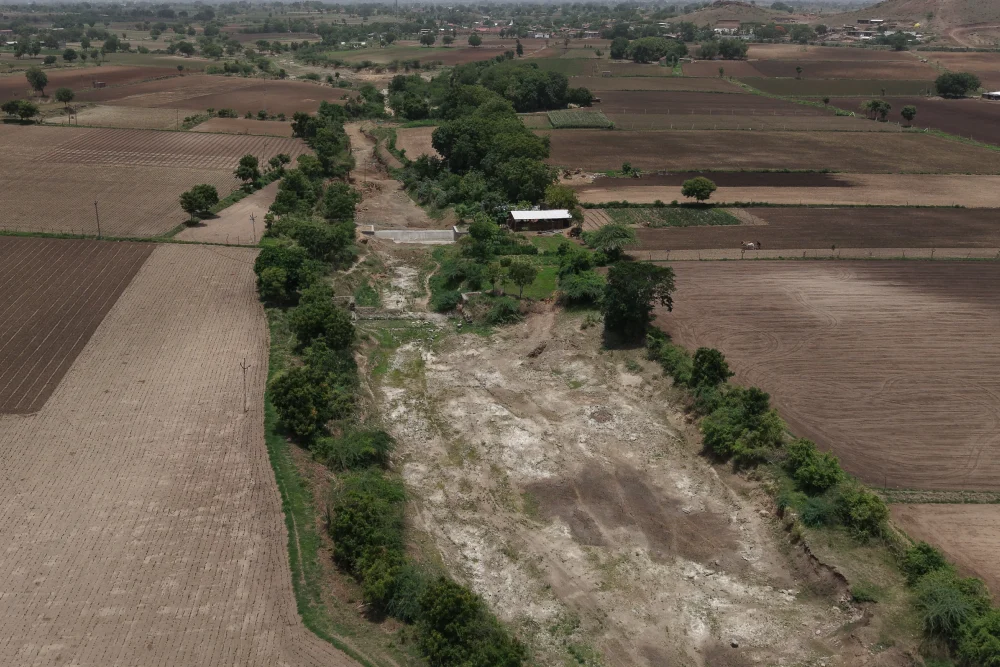
wrm afterwrm before

Key Interventions

Water Recharge and Storage Development

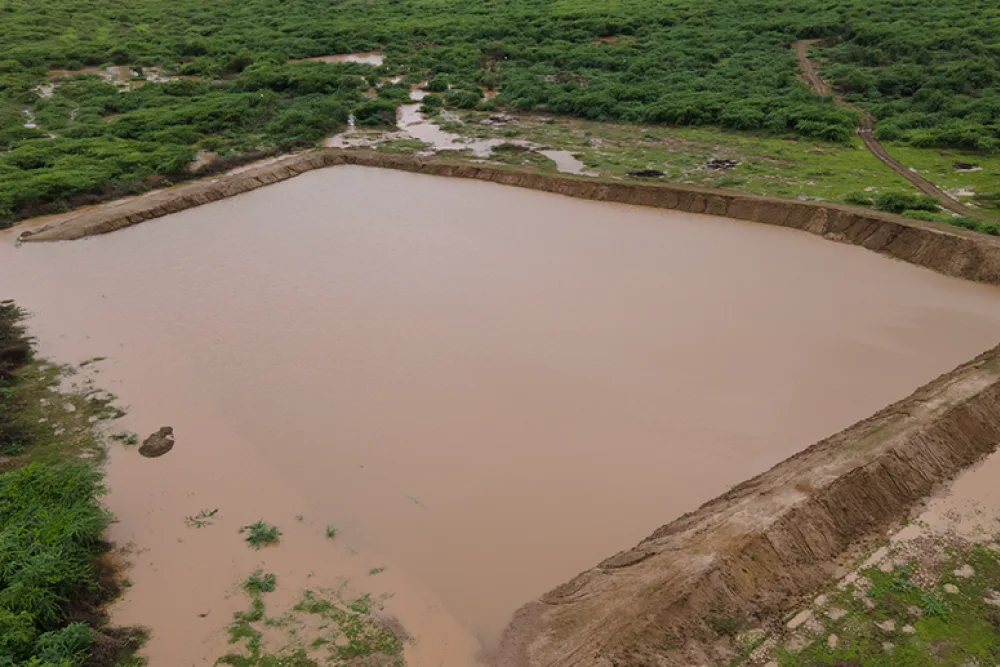
  • Desilting of ponds, lakes, and traditional reservoirs to enhance water-holding capacity.
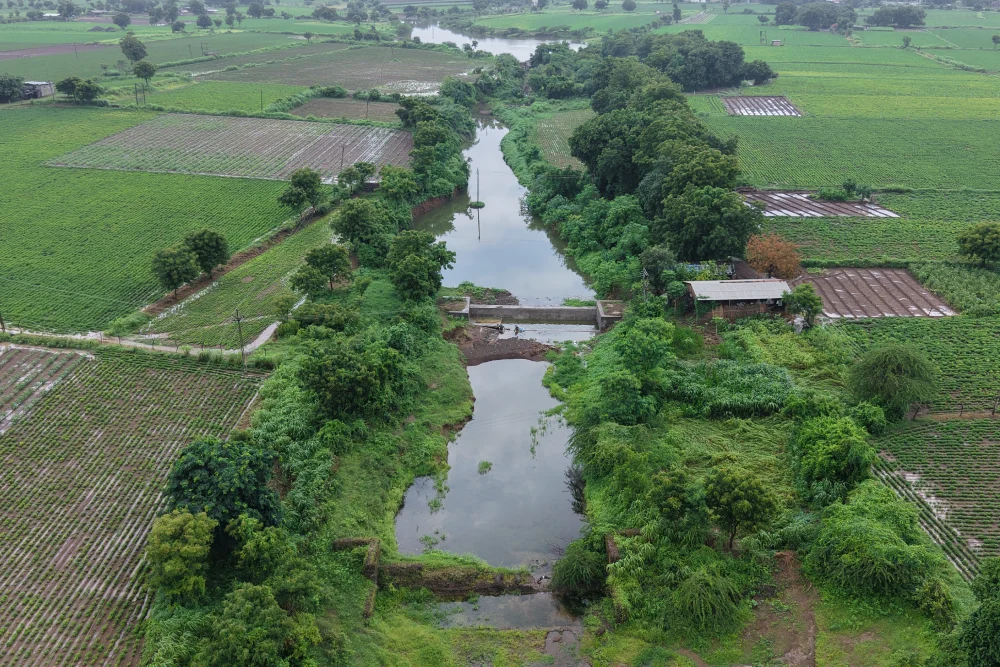
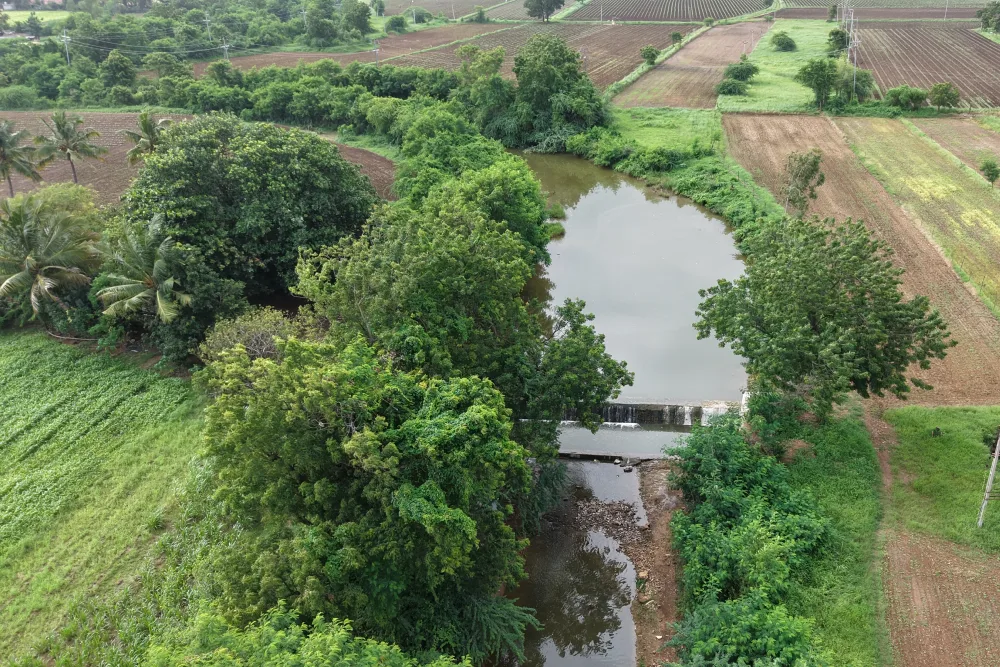
  • Construction and repair of check dams, recharge wells, and farm ponds.
  • Borewell recharge and hydro-fracturing in hard rock regions to restore groundwater levels.

Participatory Water Budgeting

  • Engaging local communities in understanding water availability, use, and demand patterns.
  • Developing village-level water security plans to ensure equitable and sustainable water distribution.

Demand-Side Water Management

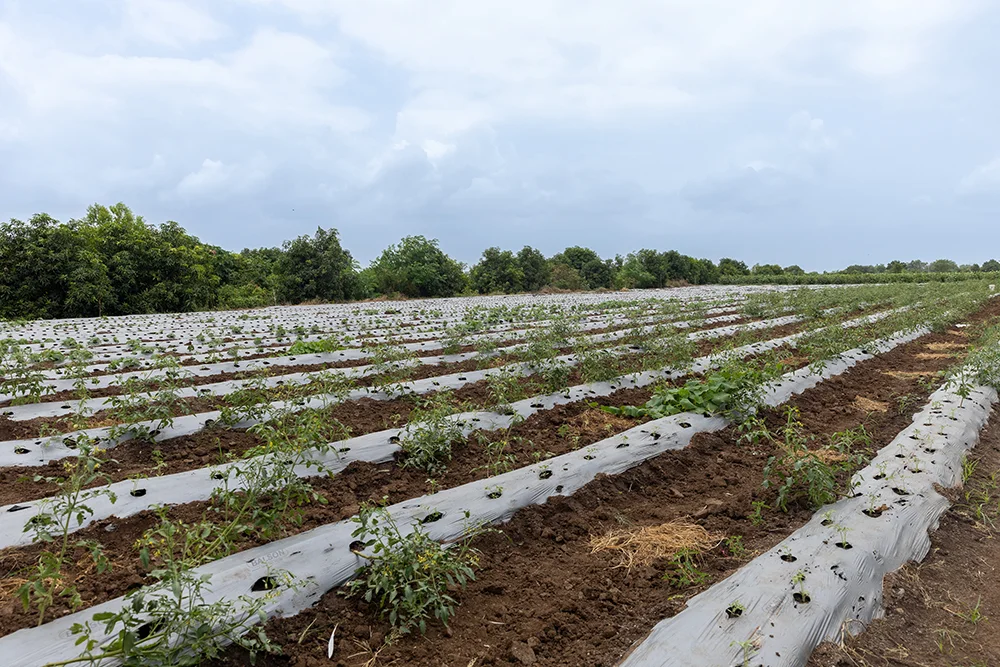
  • Promoting efficient irrigation techniques such as drip and sprinkler systems to reduce water wastage.
  • Conducting farmer awareness and training sessions on crop-water balance, soil moisture management, and climate-adaptive agriculture.

Integration with Livelihoods

  • Linking water interventions with improved agricultural practices, livestock development, and income diversification.
  • Encouraging water stewardship among farmers to build climate-resilient livelihoods.
     

Impact Highlights (2024–25)

of silt excavated across 27 structures
0 Lakh m³
check dams (revived or new) enhancing 28 crore liters of water storage
0 +
structures across 10+ villages rejuvenated groundwater
0
farm ponds supporting 70+ hectares of irrigated land
0 +
farmers trained on sustainable water use
0 k+
sites recharged, reviving long-dry borewells
0 +

Alignment with SDGs

Our education interventions contribute to multiple SDGs:

SDG 2: Zero Hunger

SDG 6: Clean Water and Sanitation

SDG 13: Climate Action

SDG 15: Life on Land

Impact Story

Bore Blast Technique: Unlocking Water in Hard Rock Terrains

In Gujarat’s dry cotton belt, where 25% of India’s cotton is grown, excessive groundwater extraction and hard rock aquifers have led to rapidly depleting water tables, threatening smallholder farmers’ livelihoods. To address this, CSPC, supported by Tata Trusts, introduced the Bore Blast Technique (BBT) – an innovative method to create underground storage in low-potential hard rock areas.

BBT involves controlled blasting in closely spaced bore wells around production wells. This process crushes rocks and creates fractures, enabling better groundwater recharge and increased storage.