Education

Nurturing Roots, Building Futures

In the coastal regions of Gujarat, where migration, salinity, and economic vulnerability often disrupt education, CSPC’s education initiative stands as a bridge between learning and livelihood, home and hope. The program envisions every child , from the earliest learner to the adolescent girl, having equal access to quality education, safe learning environments, and supportive communities that believe in their potential.

For CSPC, education is not only about classrooms and curricula, it’s about creating ecosystems where learning thrives, where parents, teachers, and communities together become partners in progress.

Our Approach

CSPC’s Education Thematic focuses on a continuum of learning, from early childhood care and education to school education and community-based learning initiatives.
Through collaboration with the government, schools, and communities, CSPC strengthens educational foundations by improving learning outcomes, reducing dropouts, and promoting inclusive participation.

Our approach integrates three pillars:

  1. Early Childhood Education (ECCE): Strengthening Anganwadis through creative teaching tools, facilitator training, and child-friendly environments.
  2. School Education: Supporting teachers and School Management Committees (SMCs) to improve learning levels and student retention.
  3. Community Engagement: Working with parents and volunteers to identify, re-enroll, and retain children who have dropped out of school.
  4.  

Key Interventions

Strengthening Early Learning (ECCE)

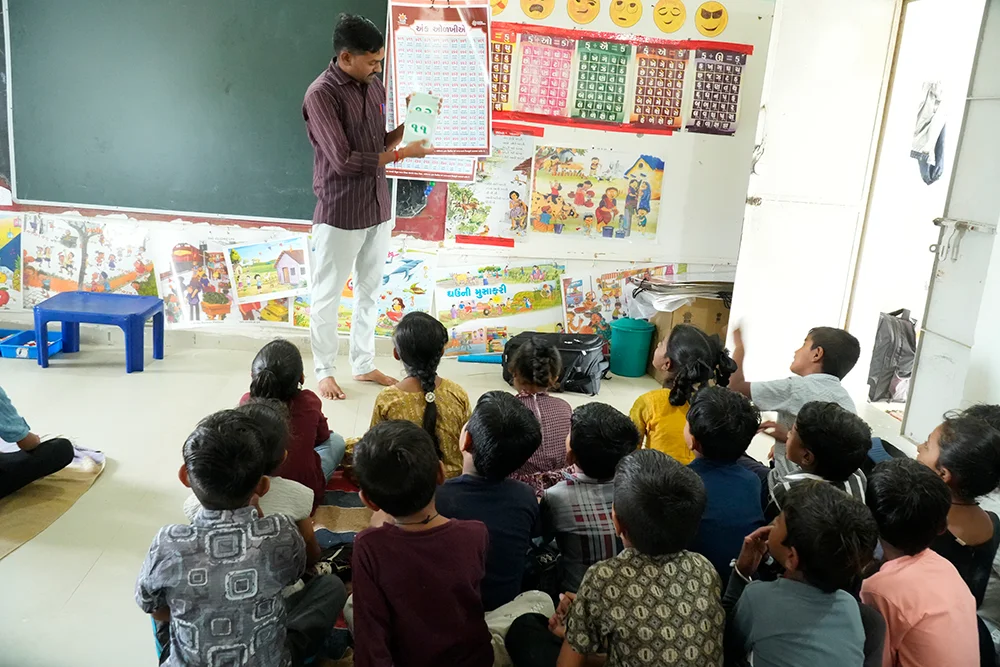
The foundation of lifelong learning begins in early childhood. CSPC works with Anganwadi centres to make learning joyful, inclusive, and developmentally appropriate. We help transform Anganwadis into vibrant learning spaces where play, art, and curiosity lead the way. Our Interventions Include:
  • Anganwadi Facelifting: Improving infrastructure, painting walls with learning visuals, and creating interactive play corners.
  • Facilitator Training: Building the capacity of Anganwadi workers to use activity-based learning methods.
  • ECCE Compendium: Developing innovative tools and reference materials for early childhood educators.

Re-Enrolling Out-of-School Children

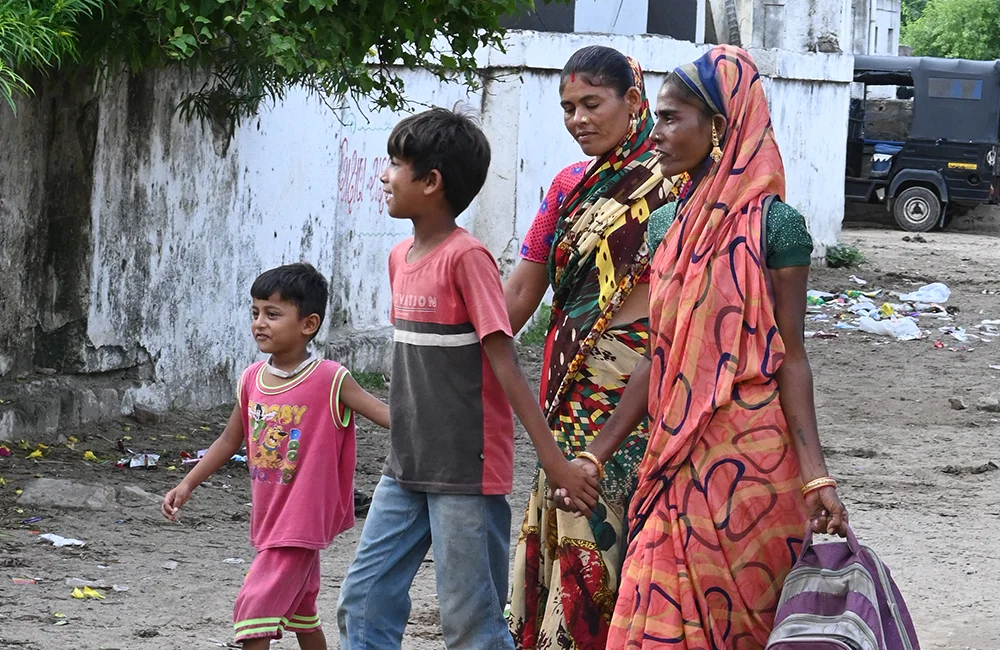
In coastal and migrant-prone regions, many children remain out of school due to displacement, migration, or social marginalization. CSPC’s field teams conduct door-to-door surveys to identify such children, understand their circumstances, and reintegrate them into the education system.

Highlights:

  • Re-enrollment drives conducted in collaboration with SMCs and school heads.
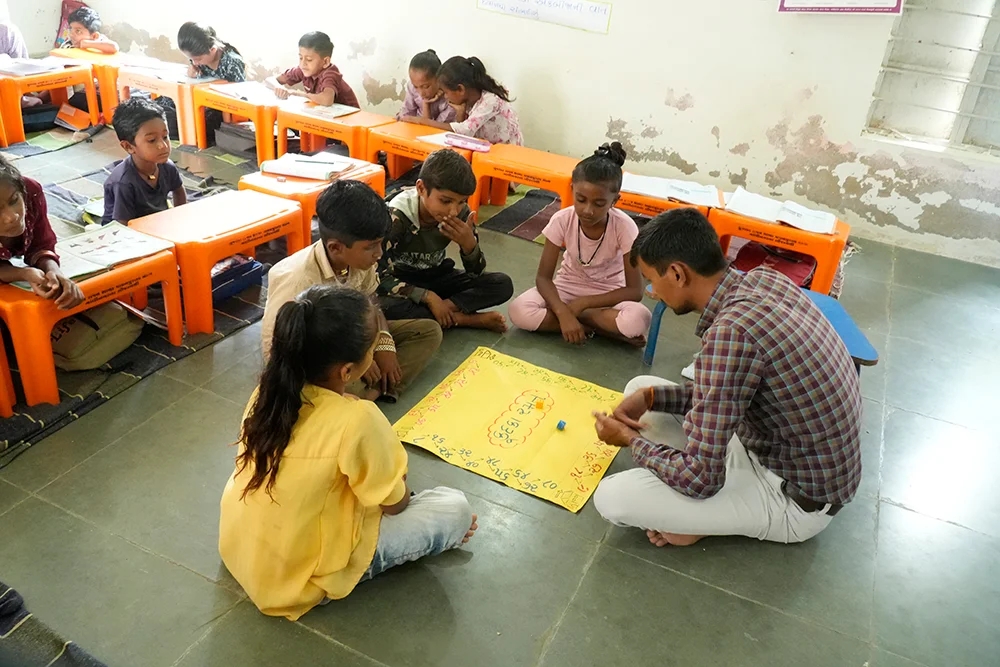
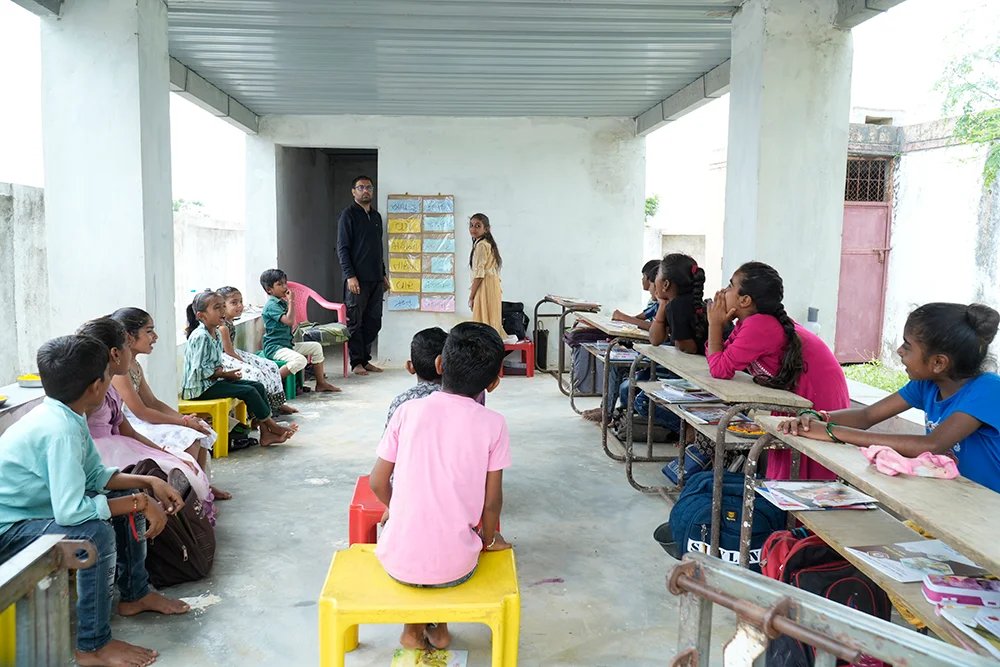
  • Volunteer-led community classes started for irregular and dropout children.
  • Intensive follow-up with families to sustain regular attendance.

Strengthening Schools and SMCs

Strong schools are built not only with infrastructure but with collaboration and shared accountability.
CSPC empowers School Management Committees (SMCs), teachers, and parents to make local schools more inclusive and responsive.

Our Work Includes:

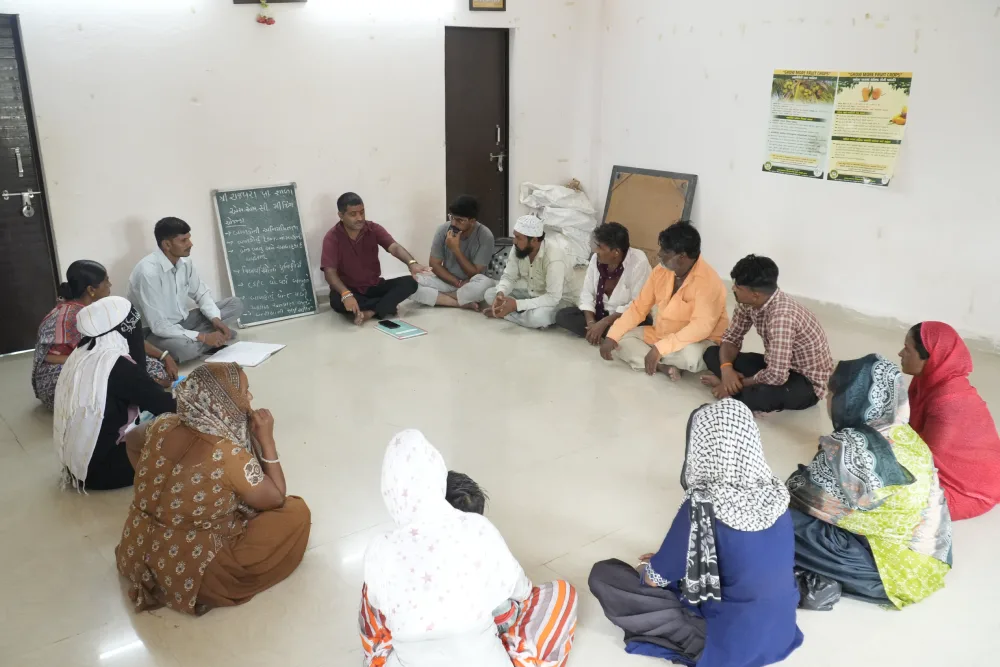
  • SMC Capacity Building: Training on school governance, monitoring, and community mobilization.
  • Teacher Support: Introducing activity-based learning and multi-grade teaching approaches.
  • Parental Engagement: Organizing meetings and awareness sessions to strengthen parent-school relationships.

Community-Led Learning Models

CSPC’s education interventions thrive because communities own them. Through volunteer-driven models, local leaders, parents, and youth take responsibility for ensuring every child’s right to education.

Community Ownership:

  • Local volunteers from marginalized communities trained and supported by CSPC are now leading learning sessions in remote areas.

Together, these partnerships ensure continuity, quality, and inclusion in every child’s learning journey.

Alignment with SDGs

Our education interventions contribute to multiple SDGs:

SDG 4: Quality Education

SDG 5: Gender Equality

SDG 10: Reduced Inequalities

SDG 17: Partnerships for the Goals

Impact Story

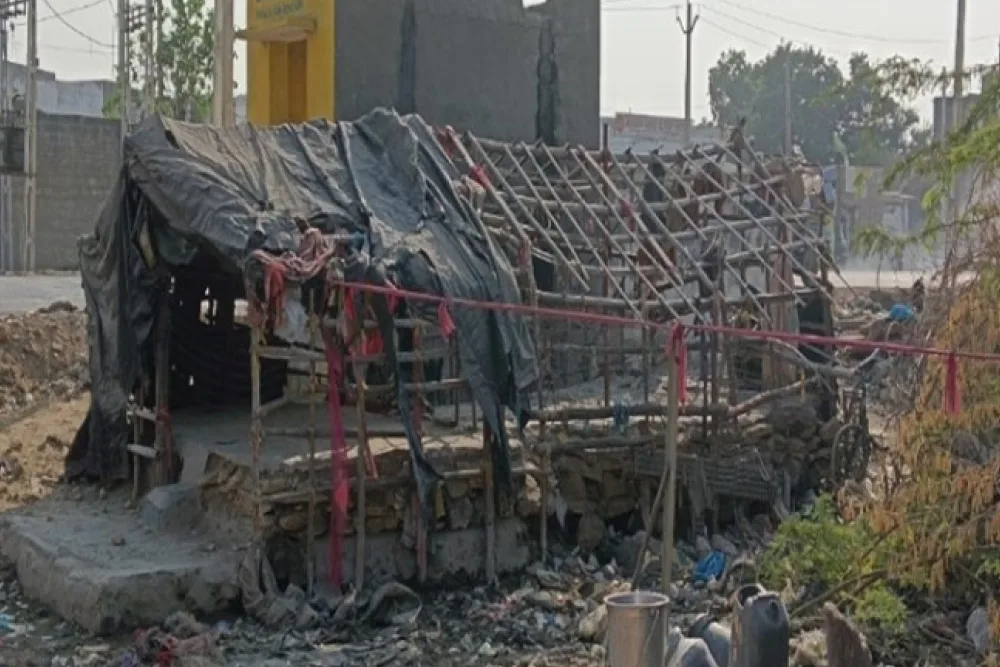
A Hut of Hope Education through Community Ownership in Surajkaradi

In the remote village of Surajkaradi, nestled near Madhuram, education wasn’t just absent, it was almost invisible. Children from the Devipujak community, a socially marginalized and economically disadvantaged group, had little exposure to formal education. Many had never stepped into a classroom, and those who had often dropped out due to irregular attendance and lack of interest.

This was not due to indifference, but intersecting barriers of social exclusion, migration, and infrastructural neglect. In such a fragile ecosystem, change had to be rooted in empathy, inclusion, and community ownership.

Children Re-enrolled in Schools
0 +
Children Restored to Education
0